

Color Mood - All Colors











magazine
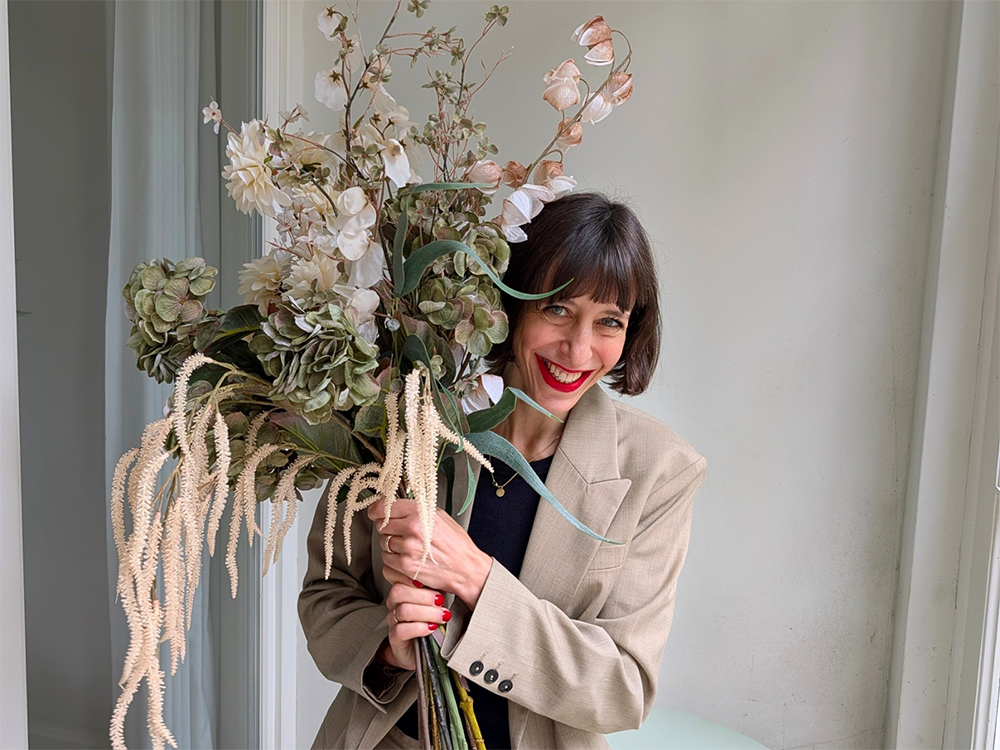
How to build a home, and a style, over time, with Katrin Roth
The 1906 apartment in Basel that Katrin Roth shares with her architect husband might be as whimsical as she is: layered, expressive and never too curated. ‘The way it’s all placed together was thrown together over time, but yes, I guess there’s an eye behind it’, the writer and tastemaker notes, smiling. With family heirlooms sitting comfortably alongside Ikea finds, we’d agree. We chat to her about the marital debate between symmetry and liveability, furnishing a home on a budget and her pick-and-mix approach to feng shui.
Learn more
Chloé Kian on renovating her house in the Swiss countryside
Chloé Kian talks about new beginnings, her love for vintage, and her new home in the countryside, where she has found a calmer, more consistent rhythm today. Her background in film shapes her view of spaces just as much as her work behind the camera. And after years abroad, her focus is once again directed more strongly toward what lies right on her doorstep.
Learn more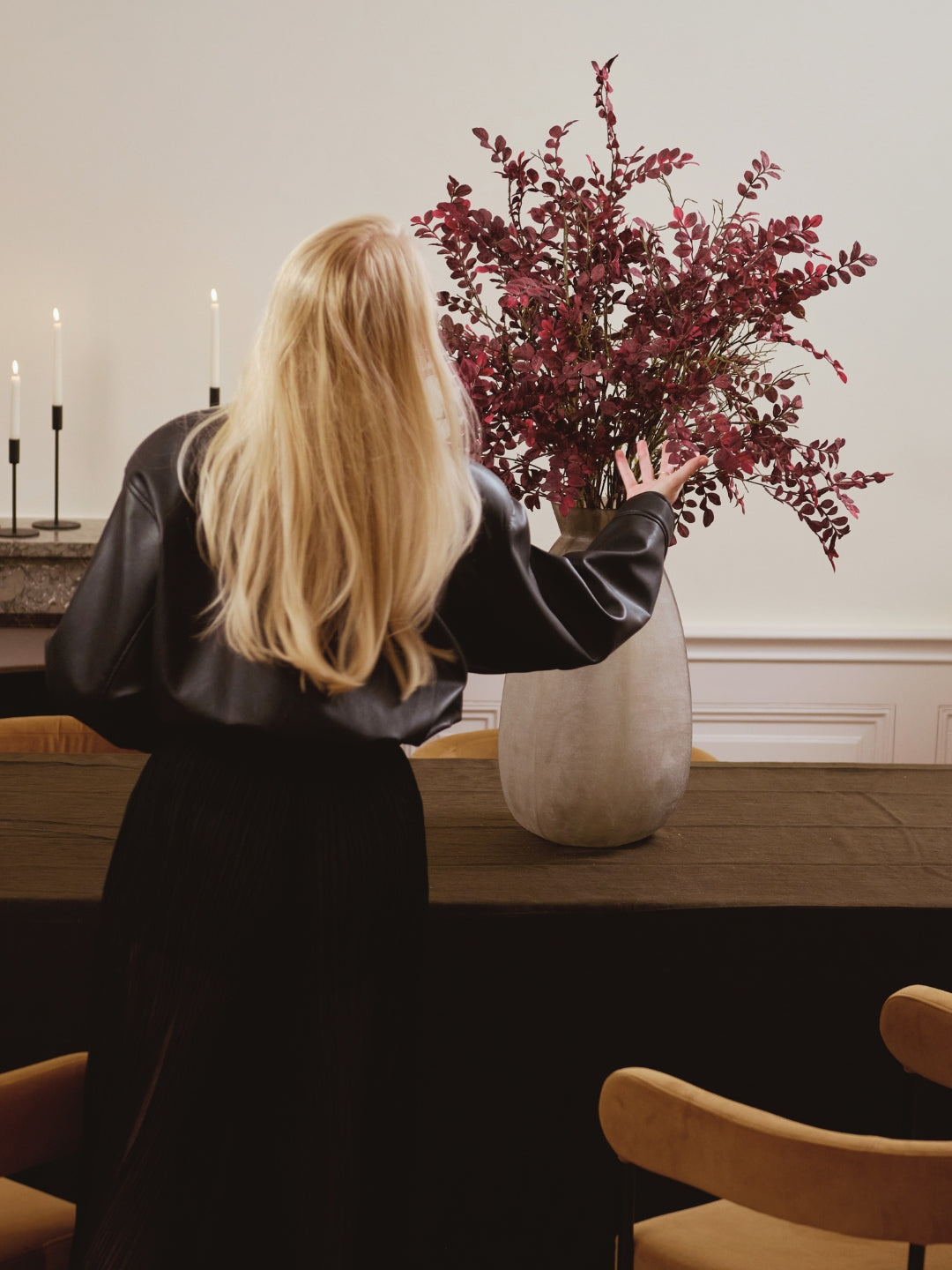
What makes an artificial flower good enough for Silkhaus?
How Silkhaus selects the finest from thousands of high-quality artificial flowers – based on design, texture, craftsmanship, and timeless appeal.
Learn more
Silkhaus Co-founder Puck Landewé on Artificial Flowers as Objets d’art for the Home
A fine red thread runs through Puck Landewé's career: from textile technology to two of her own companies and now to Silkhaus, her current venture. The co-founder of the Bern-based company talks about why artificial flowers are independent design objects, why quality is also a question of sustainability, and what she has learned on her journey as an entrepreneur.
Learn more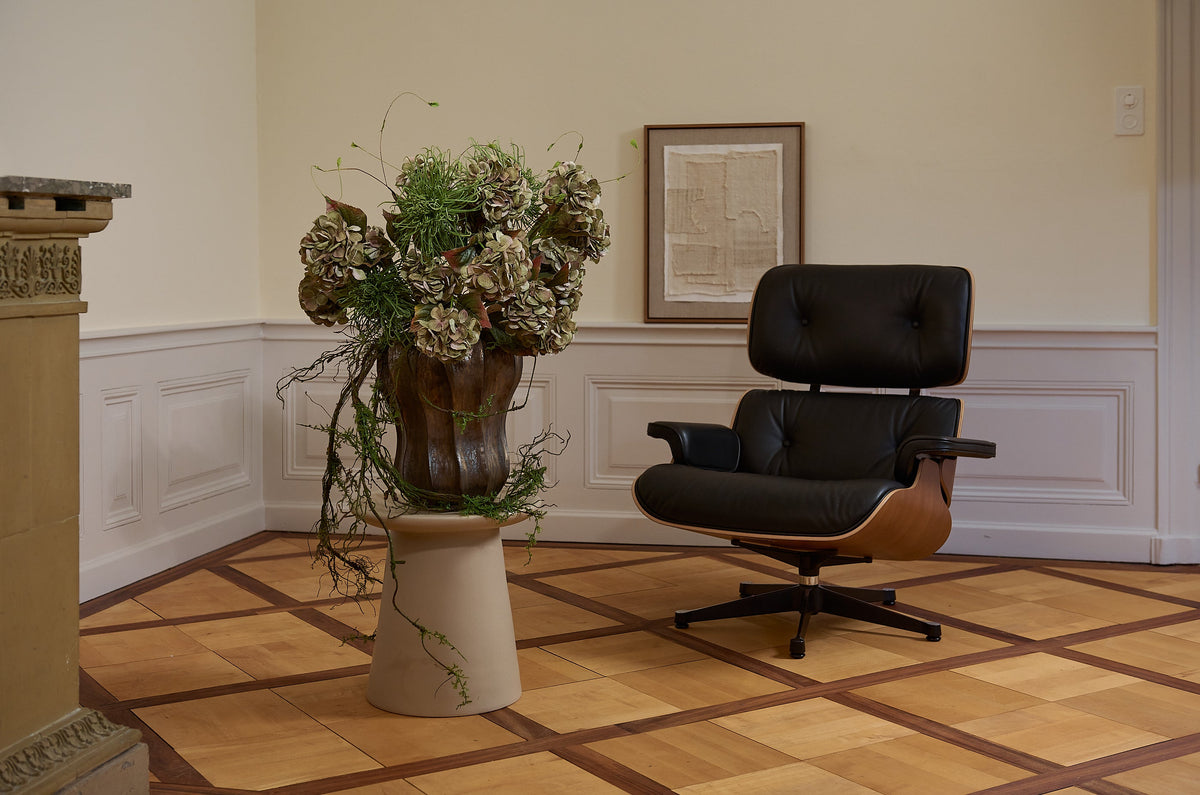
4 Floral Trends for Autumn & Winter 2026
Discover 4 floral trends for Fall & Winter 2026: monochrome looks, burgundy tones, natural branches, and high-quality real touch artificial flowers.
Learn more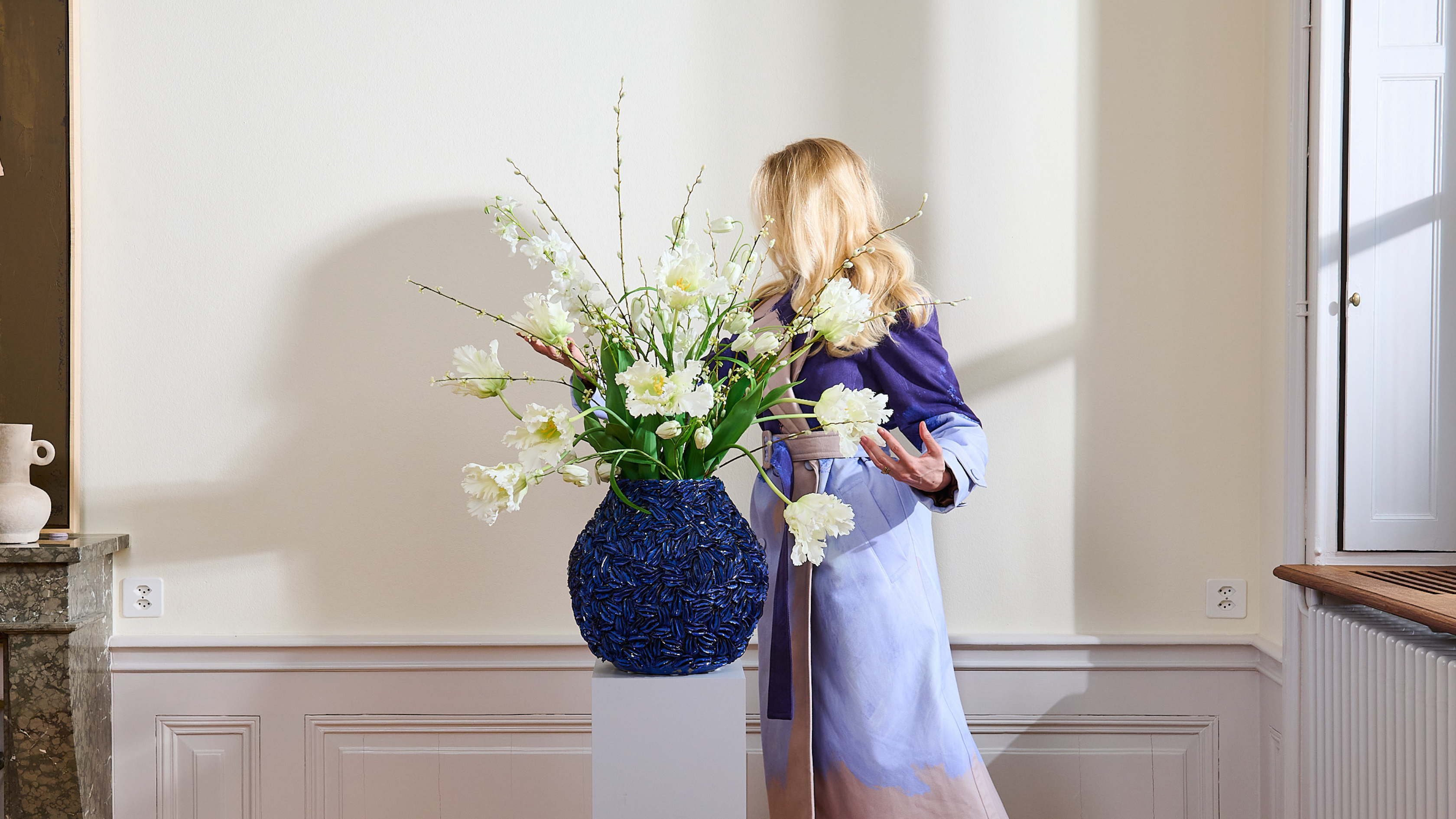
The Flower Wardrobe: A new way to live with flowers
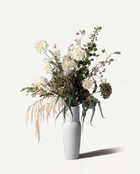
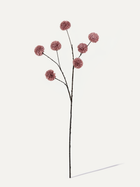
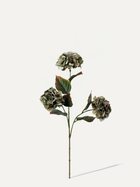
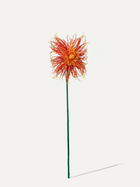
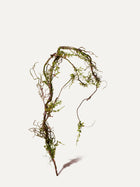
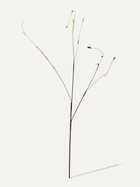
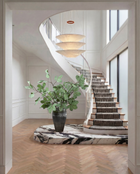
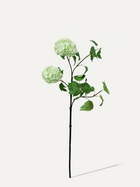
For years, I have been building a capsule wardrobe: a small collection of clothes I love, wear often, combine in different ways and intend to keep. The pieces earn their place by working hard. A good jacket returns every autumn. A pair of jeans gets better with wear. Over time, they become more personal. I began to wonder whether flowers could be approached in the same way. Shop Shop Shop Shop Shop Shop Shop Shop I have always loved what flowers do to a room. They add shape, colour and a certain looseness that furniture cannot. But the rhythm of fresh flowers started to trouble me: buy them, enjoy them briefly, throw them away, begin again. Many have travelled long distances by air and under refrigeration before they reach the vase, only to last a matter of days. Through my work, I started to see flowers as something you could collect over time. Crafted flowers have changed enormously. The best have irregularity, movement and detail: a bent stem, a translucent petal, a colour that shifts slightly at the edge. Still, I noticed a hesitation around artificial flowers. Because they last, the choice can feel weightier than buying a fresh bouquet. A fresh bouquet allows for impulse. A flower that stays can feel like a commitment. You picture it in the same vase, on the same table, for years. But the arrangement does not have to stay. The stems can move. That is where the idea of the flower wardrobe comes in. Like a capsule wardrobe, it is made up of individual pieces that work in different combinations. You choose stems and branches you love, then arrange them according to the room, the season or the occasion. A large hydrangea can dominate an arrangement in the dining room, then sit alone on a side table months later. A branch that felt severe in winter can look fresh again in spring. You begin to notice proportion, contrast and empty space. You stop thinking in terms of one finished bouquet and start mixing stems more freely. Some remain in view for months. Others are put away and forgotten until they are found again at exactly the right moment. That is what I value in a capsule wardrobe too. You get to know what you own and learn how to use it well. A familiar piece can still surprise you when it is placed beside something different. A flower wardrobe grows in the same quiet way: one stem, one branch, one arrangement at a time. Over the years, it becomes a record of your taste and the many ways it has changed. Not sure where to start? Discover our Top Picks. A curated selection of flowers that are guaranteed to be a good choice. Top Picks
Learn more